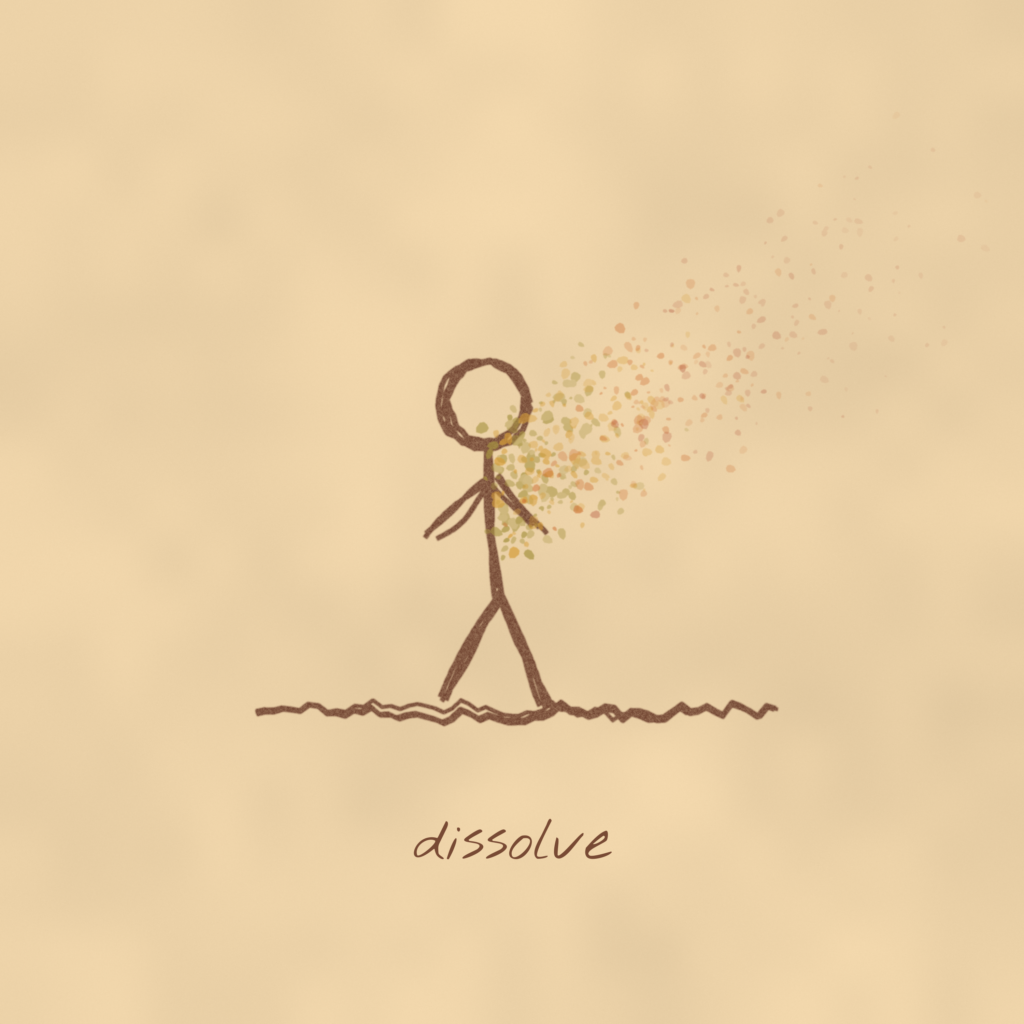
dissolve
2026.Aug Release
Analogue warmth at the centre. Soft, saturated tones that gradually loosen what held me in place—sound as a slow letting go.
2026.Aug Release
Analogue warmth at the centre. Soft, saturated tones that gradually loosen what held me in place—sound as a slow letting go.
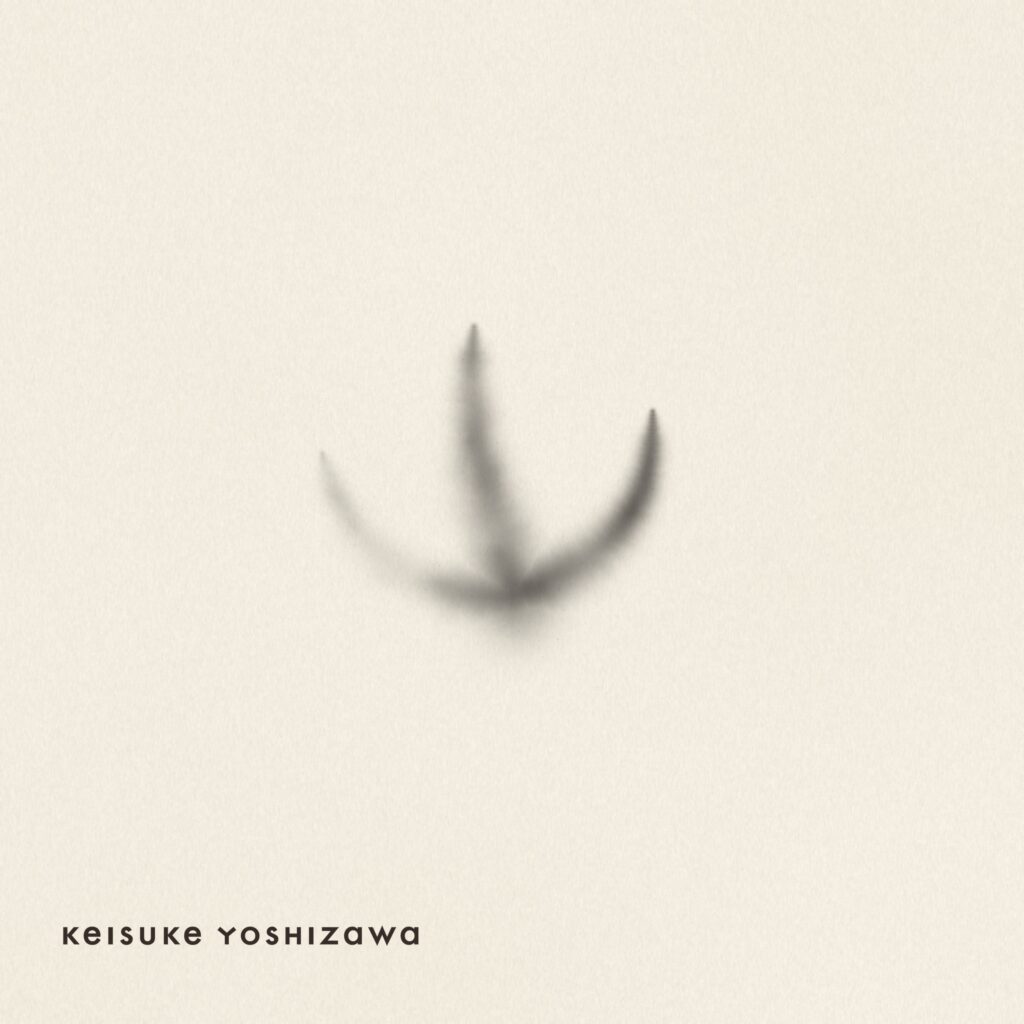
2026.Jun Release
Sōseki once translated "I love you" as "the moon is beautiful, isn't it." This piece lives inside that translation—tenderness dissolved into ambient stillness.
2016 Release
An early study in synthesis—how a single keyboard line can shift mood by texture alone. The first time I heard my own sonic palette take shape.

2017 Release
Built on the dialogue between acoustic piano and Rhodes. I wanted the two instruments to breathe as one voice rather than trade verses.
2018 Release
Electric piano carries the entire emotional weight. A study in restraint—how much sorrow a single voicing can hold before it breaks.

2019 Release
A deliberate tuning toward the synth language defining contemporary J-pop. Written to sit inside that lineage while keeping personal phrasing.

2020 Release
A return to the polished J-pop synth palette. Composing inside a tradition while searching for the small turns of phrase that make it mine.
2021 Release
Centred on the synth-piano sound at the heart of Japanese pop ballads. A tribute, and a test of how much intimacy that texture can carry.

2022 Release
A respectful nod to the DX7—the FM bell tones that shaped a generation. Written as a love letter to the sound that taught me synthesis.
2023 Release
Where the acoustic piano meets a rock band. I wrote it to find the seam between songwriter intimacy and ensemble drive.
2024 Release
Acoustic piano and synthesiser share the same room here. Two languages I've spent a decade between, finally written as equals.
2025.Mar Release
Written in London—my first piece outside the band. The arrangement loosens; the sound opens. The quiet beginning of a solo voice.
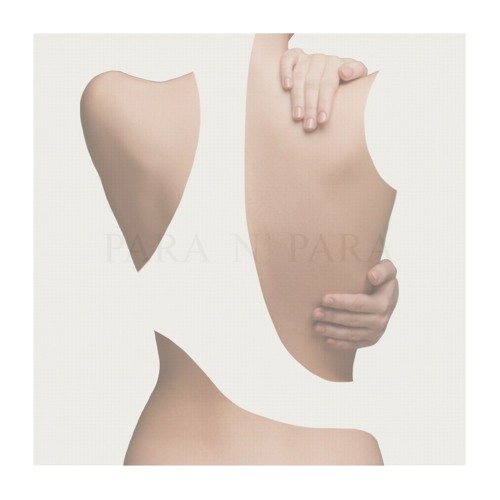
2025.Jul Release
Texture as the subject itself. Less melody, more surface—how breath, grain, and decay can carry a piece without traditional structure.
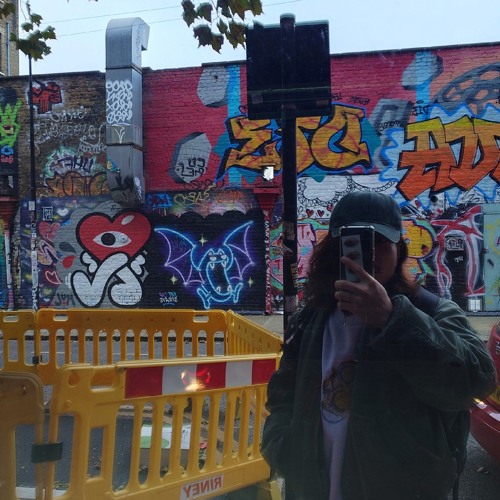
2025.Sep Release
A study in the tension between chaos and order. Free improvisation framed by careful architecture, asking how much disorder structure can hold.
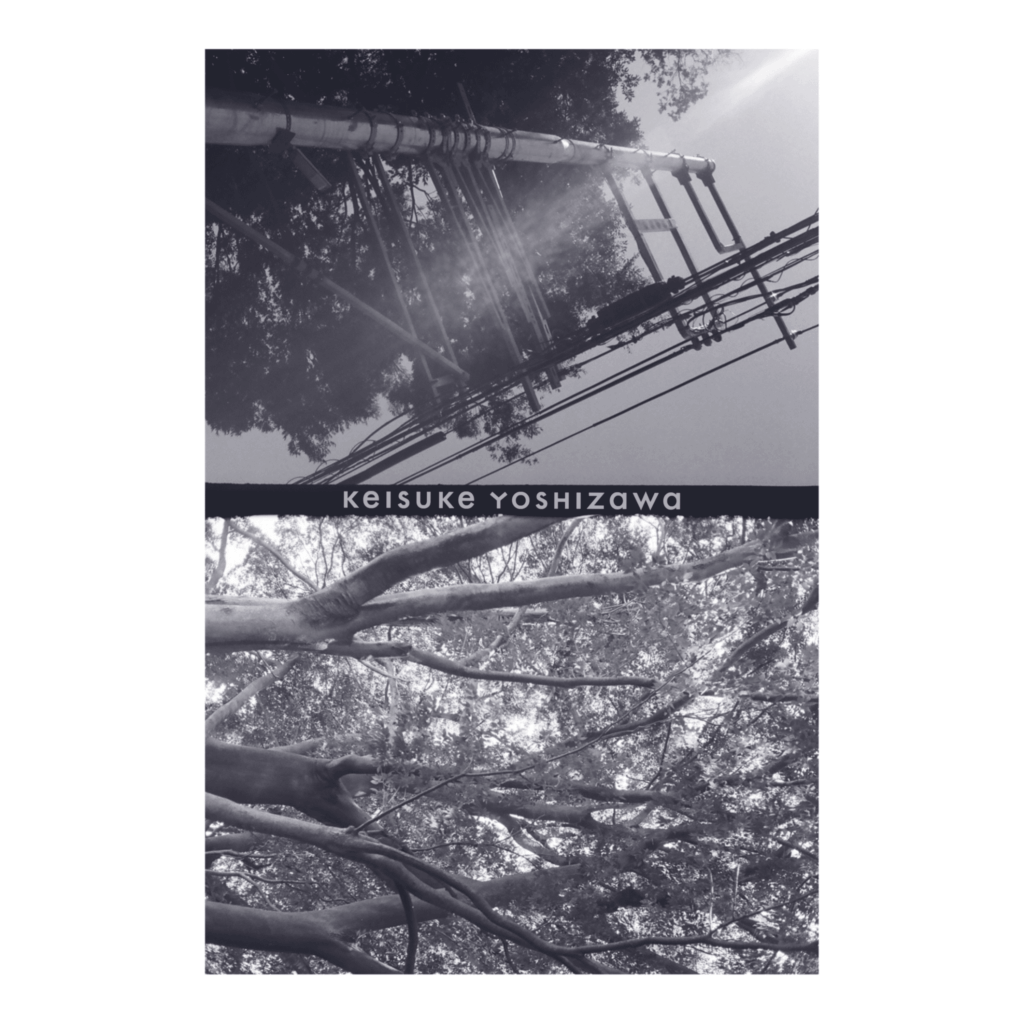
2026.Jan Release
My first piece written entirely on modular synth. Composing by patching—where the instrument resists you, and the music finds new shapes.
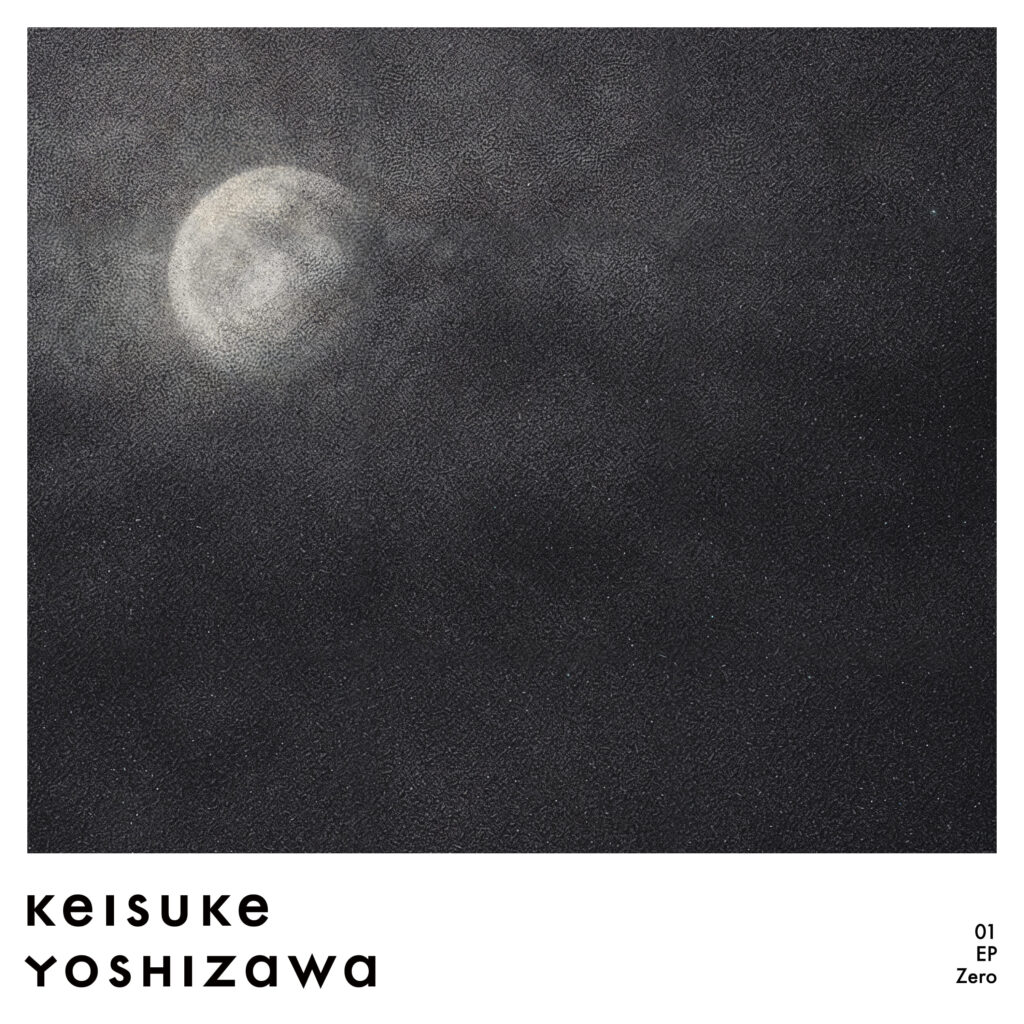
2026.Jan Release
A move into ambient. Tempo dissolves; harmony stretches. The piece exists to be inhabited rather than followed.
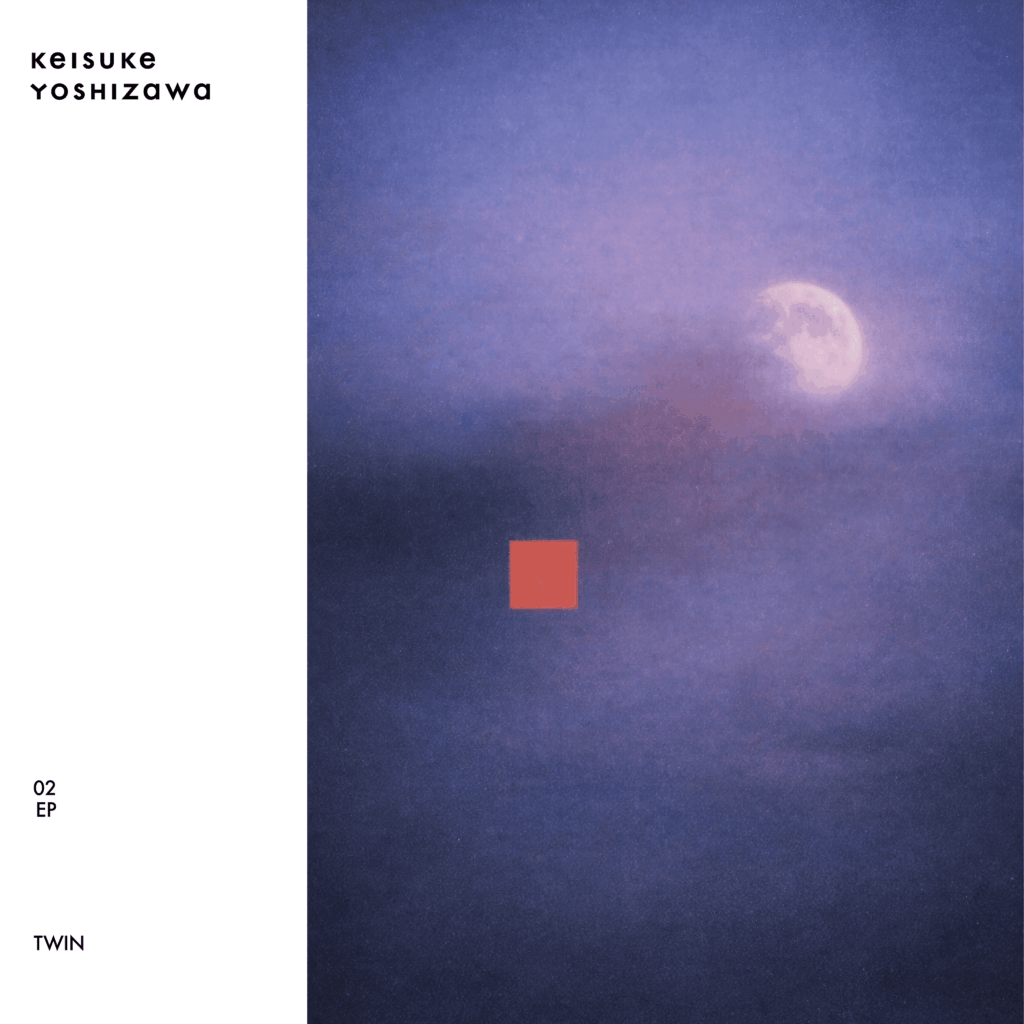
2026.Apr Release
Ambient with a sense of time restored. Two parallel timelines unfold across the piece—stillness with direction.
2026.Mar Release
A study in how beat itself breathes—pulse without grid, rhythm shaped by phrasing. The body of the music, freed from the metronome.